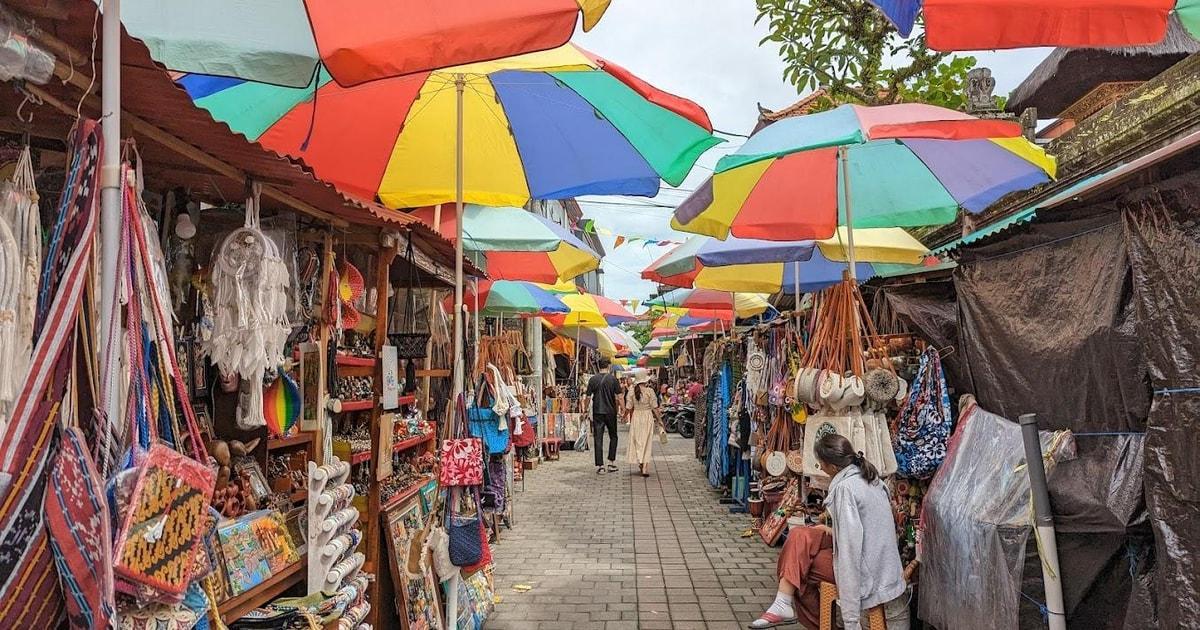
Visiting traditional markets is one of the best ways to experience everyday life and local culture in Bali. Beyond the island's beaches, temples, and luxury resorts, traditional markets offer a glimpse into the daily activities of local communities.
From handmade souvenirs and Balinese handicrafts to fresh tropical fruits, spices, flowers, and traditional snacks, each market has its own atmosphere and specialties.
Whether you are looking for unique gifts, local products, or simply want to experience the lively atmosphere of a Balinese market, there are several places worth exploring during your visit.
Here are four traditional markets in Bali that offer different shopping experiences.
1. Ubud Art Market: A Popular Place for Balinese Handicrafts
Located in the heart of Ubud, opposite Ubud Royal Palace, Ubud Art Market is one of the most popular shopping destinations for visitors.
The market is known for its selection of handmade products, including woven bags, clothing, scarves, wooden crafts, decorative items, and souvenirs inspired by Balinese culture.
Many stalls offer colorful products made by local artisans and suppliers from different parts of Bali. Visitors can spend time browsing the collections, comparing designs, and looking for special items to take home.
Ubud Art Market is particularly suitable for travelers who enjoy browsing handicrafts and shopping for gifts while exploring the Ubud town center.
What you can find:
Woven bags and handmade accessories
Balinese-inspired clothing and textiles
Wooden carvings and decorative crafts
Souvenirs and gift items
Local handicrafts and artwork
Travel tip: Take your time comparing products at different stalls. Prices and designs can vary, so browsing before making a purchase can help you find something you really like.
2. Sukawati Art Market: A Place to Discover Local Crafts
Sukawati Art Market, located in Gianyar Regency, is another well-known destination for traditional Balinese shopping.
The market has long been associated with local arts, crafts, and affordable souvenirs. Visitors can explore a variety of stalls selling paintings, traditional fabrics, clothing, wooden decorations, accessories, and other handmade products.
Compared with some shopping areas in Bali's main tourist districts, Sukawati offers a more traditional market atmosphere.
It is a good place for travelers who want to discover local products and browse a wider variety of souvenirs.
What you can find:
Traditional Balinese paintings
Wooden handicrafts and decorative items
Clothing and textiles
Handmade accessories
Souvenirs and gift collections
Travel tip: If you are interested in purchasing several items, compare prices and quality between different sellers. Friendly bargaining is common in traditional market settings.
3. Badung Market: Experience the Local Market Atmosphere in Denpasar
Badung Market, or Pasar Badung, is one of the best-known traditional markets in Denpasar and offers a different experience from Bali's art markets.
Instead of focusing mainly on souvenirs, Badung Market is known for everyday local products. It is an important shopping destination for residents and local businesses.
Inside the market, visitors can discover a wide selection of fresh vegetables, tropical fruits, spices, herbs, traditional ingredients, and other household necessities.
The lively atmosphere provides an opportunity to observe how local people shop and prepare ingredients for daily meals and traditional offerings.
For travelers interested in Balinese food and everyday culture, Badung Market offers an interesting look into local life.
What you can find:
Fresh tropical fruits and vegetables
Local spices and herbs
Traditional cooking ingredients
Flowers and ingredients for religious offerings
Everyday household products
Travel tip: Visit with an open mind and be respectful when taking photographs, especially when vendors and local shoppers are nearby. Ask permission before photographing people.
4. Kumbasari Market: Traditional Crafts and Local Products
Located near Badung Market in Denpasar, Kumbasari Market is another traditional shopping destination worth exploring.
Kumbasari is particularly associated with textiles, clothing, traditional fabrics, handicrafts, and various local products.
The market provides a different shopping experience from the fresh produce sections of Badung Market. Visitors interested in traditional Balinese materials, decorative items, and local crafts may enjoy browsing its shops and stalls.
Because the two markets are located close to each other, travelers can conveniently explore both during the same visit.
What you can find:
Traditional fabrics and textiles
Clothing and accessories
Balinese handicrafts
Decorative items and souvenirs
Various local products
Travel tip: Consider combining Kumbasari Market and Badung Market in one visit to experience two different sides of traditional shopping in Denpasar.
What Makes Traditional Markets in Bali Special?
Traditional markets are more than just places to buy products. They are also part of everyday Balinese community life.
Some markets specialize in handicrafts and souvenirs, while others focus on fresh food, spices, and daily necessities.
Visitors can discover:
Local products made or supplied by Balinese communities
Traditional ingredients used in Balinese cooking
Colorful flowers and materials for daily offerings
Handmade crafts and cultural souvenirs
The lively atmosphere of local shopping activities
Exploring these markets can help visitors understand more about the island beyond its popular tourist attractions.
Tips for Shopping at Traditional Markets in Bali
If you plan to visit traditional markets, a little preparation can make your shopping experience more enjoyable.
1. Compare Prices Before Buying
Take a look at similar products from different stalls before deciding what to purchase. This is especially useful when shopping for souvenirs and handicrafts.
2. Bargain Politely
In many traditional art markets, bargaining is part of the shopping experience. Start with a friendly conversation and negotiate respectfully. Not every product or seller will offer negotiable prices.
3. Bring Some Cash
Although digital payment options are becoming more common, cash is still useful at many traditional market stalls. Carry smaller denominations for convenient transactions.
4. Keep Your Belongings Secure
Traditional markets can become crowded, especially during busy shopping periods. Keep your wallet, phone, and personal belongings secure.
5. Respect Local Customs
Some market areas sell flowers and materials used for religious offerings. These products have cultural significance, so treat them respectfully.
6. Check Product Quality
When purchasing textiles, handicrafts, or souvenirs, take a moment to check the materials and condition before completing your purchase.
Which Traditional Market Should You Visit?
Each market offers a different experience, so the best choice depends on what you are looking for.
For souvenirs and handicrafts: Ubud Art Market is a convenient choice when exploring central Ubud.
For a variety of local crafts: Sukawati Art Market offers a traditional shopping atmosphere.
For fresh food and local ingredients: Badung Market provides a glimpse into everyday shopping in Denpasar.
For textiles and local products: Kumbasari Market is worth exploring, especially together with nearby Badung Market.
If you have enough time, visiting more than one market can give you a broader understanding of traditional shopping and local life in Bali.
Discover the Local Side of Bali
Traditional markets offer a different way to experience Bali, bringing visitors closer to the island's everyday culture, local products, and community life.
Whether you explore the art markets of Ubud and Sukawati or visit the traditional markets of Denpasar, each place offers its own atmosphere and discoveries.
Take your time, enjoy the experience, and appreciate another side of Bali beyond its well-known tourist attractions.