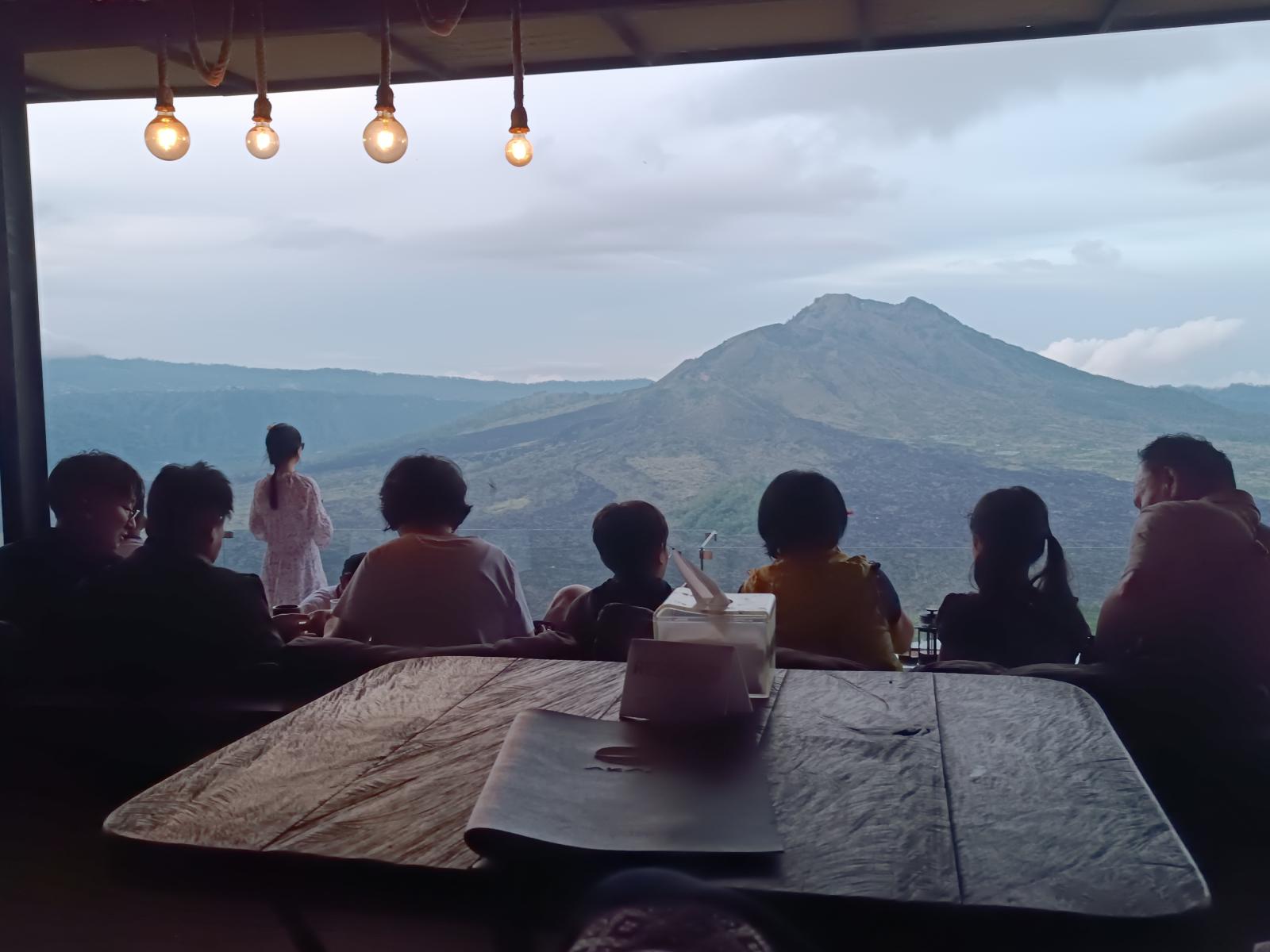
The Best Time to Visit Bali
Bali can be visited throughout the year, but the experience can be different depending on the season, weather, and type of activities you want to enjoy.
Some travelers prefer sunny days for sightseeing and outdoor activities, while others may enjoy traveling during quieter periods when certain areas are less busy.
Understanding Bali's general seasons can help you choose a travel period that matches your plans and expectations.
Bali's Dry and Rainy Seasons
Bali generally has two main seasons: a drier season and a wetter season.
The dry season is commonly associated with sunnier weather and lower rainfall, while the rainy season can bring more frequent showers and higher humidity.
However, weather conditions can vary from day to day, and rainfall does not necessarily mean that an entire day will be wet.
For this reason, it is useful to remain flexible when planning outdoor activities.
Visiting Bali During the Dry Season
The drier months are often popular with travelers who want to spend more time outdoors.
This can be a good period for sightseeing, beach activities, island trips, hiking, and other experiences where weather conditions can influence the day.
Because this period is popular, some destinations can also feel busier, particularly during major holidays and peak travel periods.
If you plan to visit during a busy season, arranging transportation and popular activities in advance can make your trip more comfortable.
Visiting Bali During the Rainy Season
The rainy season can still be a rewarding time to visit Bali.
Rain showers are often temporary, and there can still be plenty of opportunities for sightseeing, dining, cultural experiences, spa treatments, and other activities.
The wetter season can also create a greener landscape, particularly around rice fields and countryside areas.
If you travel during this period, it is helpful to keep your itinerary flexible and allow extra time for changing road and weather conditions.
The Best Time Depends on Your Travel Style
There is no single best month for everyone.
A honeymoon couple may have different priorities from a family traveling with children.
Adventure travelers may prefer conditions that are suitable for outdoor activities, while travelers focused on wellness, culture, or food may be less affected by occasional rain.
Instead of choosing a travel date only based on the weather, consider what you actually want to experience during your stay.
Consider Bali's Traffic and Travel Time
Weather is not the only factor that can affect your experience.
Traffic can be an important consideration when planning a day in Bali, especially when traveling between different areas of the island.
A route that looks simple on a map can take significantly longer depending on traffic and road conditions.
Planning destinations that are reasonably close to one another can help reduce unnecessary travel time.
Keep Your Itinerary Flexible
One of the advantages of traveling in Bali is the variety of experiences available.
If weather conditions change, you can adjust your plans rather than trying to follow a fixed schedule.
For example, an outdoor activity may be better enjoyed on a clear day, while a spa treatment, cultural experience, or relaxed lunch can provide a good alternative when the weather changes.
A flexible itinerary can help you enjoy your holiday without feeling pressured by the weather.
Choose the Right Time for Your Experience
The best time to visit Bali ultimately depends on what you want from your trip.
Some travelers want long sunny days and outdoor adventures. Others prefer a quieter atmosphere and are comfortable adapting their plans around occasional rain.
Whatever time of year you choose, allowing some flexibility can make your Bali journey more enjoyable.
At Agung Journey, we believe that a good Bali itinerary should work with your travel style, schedule, and interests.
Whether you are planning a short holiday or a longer stay, thoughtful planning can help you make the most of your time on the island.
Agung Journey – Private Tours & Experiences